
IS MY STUDENT A GOOD FIT?
Probably: Ms. Anderson works with students of any age, most subjects, and has had solid success with students who have specific behavioral and socio-emotional needs--including students with ADHD, Autism, PTSD and ODD. Additionally he has completed Orton-Gillingham certification, empowering her to effectively teach phonics-based reading skills and to remediate reading skills for students with dyslexia.
More than something you add when you or your student begin to worry about school, private tutoring is also an excellent extracurricular activity. Design a program with friends and let the imaginations loose, or offer your student an uncommon study topic that turns an interest into a passion.
In addition to traditional tutoring and private education, Ms. Anderson can also support your family as you navigate IEPs/504 plans. Her previous experience teaching in public and private schools and as both a foster parent and children's social worker make her an asset for helping parents with meetings, helping teams be creative and resourceful for your child specifically, helping students advocate for their rights in class, and ensuring successful implementation of accommodations.
THE NITTY GRITTY:
WHO AND WHAT CAN BE TAUGHT
Teaching Infants & Toddlers
Beginning around 12 months, toddlers switch from needing a developmental environment that is focused on physical growth to one that will now promote physical, mental and social/emotional opportunities.
This is when skills like curiosity, grit and perseverance can be rooted in a person, and these skills are also highly sensitive to damage and discouragement. That makes my research in factors affecting a child's perceived self-efficacy of critical value when working with children in the 1 to 2-year old range.
In addition to focusing on a child’s physical, mental and social/emotional development, my “lessons” with toddlers are keenly oriented to promote strong intellectual risk-taking, problem solving, and both cooperative and independent skills. The cognitive processes behind these skills will help a child for their entire life.
What we might be doing In-House
Reading, listening to reading
Puppets, empathy activities
Dressing Stuffed Animals
Singing and dancing
Finger painting
Smelling, tasting, touching
Stirring, scooping, squishing
Throwing, rolling objects, stacking
Signing, letter sounds, bilingual
Climbing, falling, rolling
Fort building
Hide-and-seek
Getting the mail
Out-of-House Activities
Museums and Zoo with special tours
Music and Theater classes
Wildlife Safari Tours
Eating Out
Library classes and book time
Garden Immersions
Parks and walks
Trips to a Working Farm
Frequenting local shops and cafes (sometimes with arrangements like rolling crescent dough with the baker)
Shopping (experiencing new places)


Pre-K through 12th Grade, Academic

Class Subjects
Maths, Sciences, English, Humanities
Spanish, or study support for other languages
Exam Prep
ISEE, SAT, ACT, AP
Other
Anxiety Prevention/Response Skills
Social/Emotional Behavioral disorder management and programing (academic)

More Than Academics
Additional Subjects
Art History
Art Appreciation
Coding, python and MIT’s Scratch
Competitive Group Speaking
Creative Writing
Science Experiments (observational, interactive, designed)
Sketching
Videography
Vocabulary, extensive development
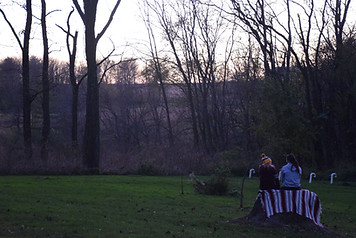
Being an exceptional educator means my students don't study in common ways.
A benefit of my research in both education and cognitive science means I recognize overlaps in seemingly unrelated subjects that share processes or cognitive structure in thinking. For example, how quickly block coding (like MIT's Scratch) can be used to seal holes in late-elementary reading comprehension.
This exceptionality empowers me to take my students beyond the basics and the norms so they can access the world beyond classrooms and textbooks.
The following are additional skills, activities and subjects that A.a students have used in tutoring to accomplish their goals.
Cocurricular
Rock Climbing
Belay
High Ropes
Beginning Archery
Nature Immersion
Backpacking
Canoeing
Cooking/Baking
Babysitting
[Parenting classes, including having my students teach]
Music
Cello (my primary instrument)
Violin, beginner
Acoustic Guitar, beginner
Music History
Music Theory, basic (with piano)
Permeating Skills
(All of my students explicitly learn these)
Growth Mindset
Neutrality
Academic Discussion Skills
Conversation Skills in various settings
Perseverance
Risk-taking
Appropriate social skills
Open-mindedness
Creativity (modeled and taught explicitly)

